After-school sports programs play a critical role in shaping the physical, social, and emotional well-being of youth. Beyond simply keeping kids active, these programs provide safe, structured environments where young people can develop essential life skills and build lasting relationships.
Engagement in after-school sports helps combat sedentary lifestyles, reducing risks of childhood obesity and associated health problems. Regular physical activity improves cardiovascular health, strength, coordination, and mental acuity, all of which support academic performance and overall development.
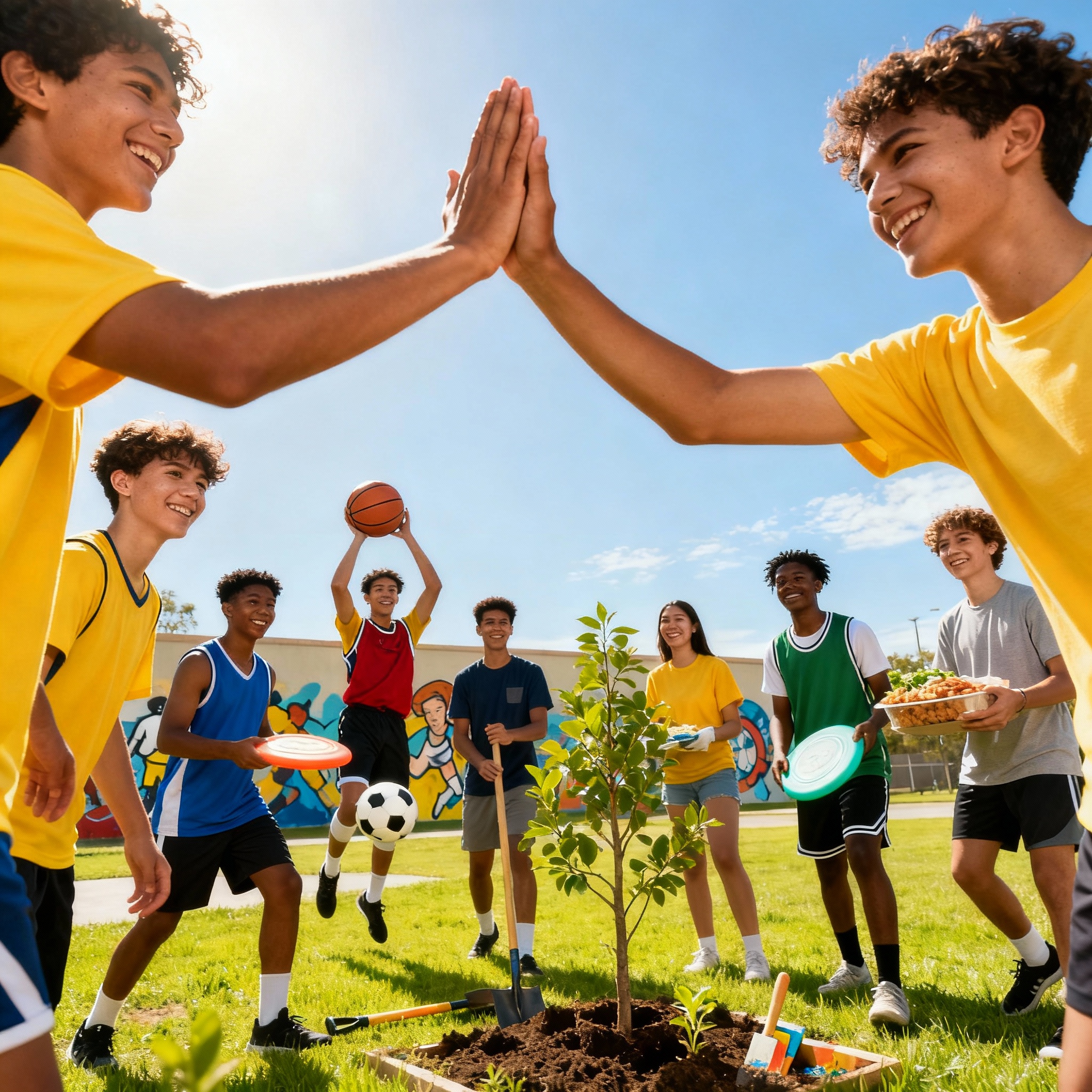
Moreover, after-school sports foster teamwork, discipline, and leadership. Participants learn the value of collaboration, goal-setting, and perseverance—traits that extend far beyond the playing field. For many youth, these programs serve as a positive outlet, steering them away from negative influences and providing mentorship opportunities with coaches and peers.
These programs also promote inclusivity and community engagement. They often bridge gaps for underserved populations by offering affordable access to organized sports and social interaction. This inclusiveness builds confidence and a sense of belonging, empowering youth to thrive both socially and athletically.
In essence, after-school sports programs are more than just physical activity; they are vital platforms for holistic youth development. Investing in and expanding these initiatives is key to nurturing healthier, happier, and more resilient generations.

 Portuguese
  English
Deixe um comentário