
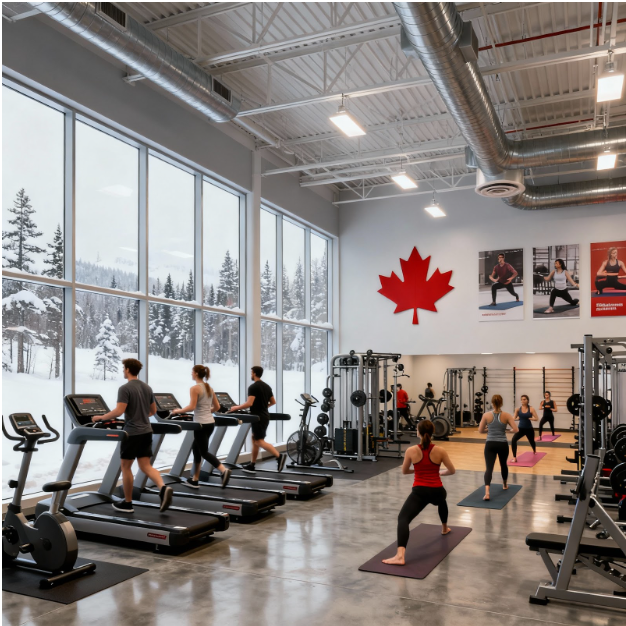
Indoor Sports Facilities in Canada: A Year-Round Solution for Athlete Training and Community Wellness
Indoor sports facilities are becoming increasingly vital for athletes and communities across Canada, serving as essential hubs for year-round training, competition, and social connection. Due to Canada’s diverse and often harsh climate, with long winters and unpredictable weather, outdoor sports activities can be severely limited for much of the year. Indoor spaces provide athletes with the opportunity to maintain consistent training schedules, reduce weather-related risks, and focus on skill development regardless of external conditions.
These facilities are equipped with specialized equipment and controlled environments, which help athletes optimize performance and minimize injury risks. For professional athletes and sports teams, these controlled settings allow for targeted training programs, rehabilitation, and continuous improvement. They also foster a sense of community by bringing together athletes of all ages and skill levels, encouraging collaboration, mentorship, and the growth of sports culture within regions that might otherwise lack consistent access to quality sports infrastructure.
Moreover, indoor sports complexes play a critical role in promoting inclusivity and equitable access to sports, especially for youth and marginalized populations in both urban and rural areas. Expanding indoor sports infrastructure addresses barriers related to geography and climate, ensuring more Canadians can participate in physical activity and pursue athletic excellence. This aligns with broader public health goals of fostering healthy lifestyles and social cohesion through sport.
As demand for quality sports facilities grows, investment in multi-purpose indoor sports centers is becoming a priority for municipalities, sports organizations, and communities nationwide. These centers not only support elite athletes but also provide recreational opportunities for the general public, schools, and community groups, reinforcing the importance of sport as a cultural and social pillar in Canadian life.
In conclusion, indoor sports facilities are not merely conveniences but indispensable assets that support athlete development, community engagement, and the overall health and vitality of Canadians. Enhancing access to these spaces represents a forward-thinking approach to sports infrastructure that can help Canada nurture talent and build stronger, more active communities across the country.
 Portuguese
  English
Deixe um comentário